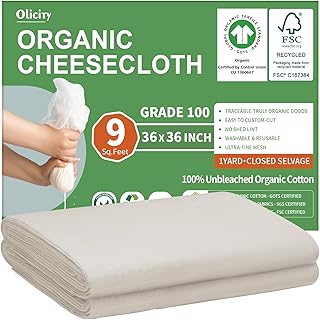
For centuries, a simple piece of fabric has been an indispensable tool in kitchens, dairies, and craft rooms. That tool is cheesecloth. Far more than just a cloth for making cheese, this versatile material is a multi-purpose hero for anyone who loves to cook, bake, or create. Whether you're straining homemade yogurt, clarifying butter, or wrapping a holiday turkey, understanding the different types of cheesecloth is key to achieving the best results.
What is Cheesecloth and Why Does Grade Matter?
At its core, cheesecloth is a lightweight, gauzy cotton fabric. Its magic lies in its weave, which allows liquids to pass through while trapping solids. The "grade" of a cheesecloth refers to the number of threads per inch—the higher the number, the tighter and finer the weave. For most culinary tasks, especially those requiring a super-fine filter, Grade 100 cheesecloth is the gold standard. This ultra-dense weave, often called butter muslin, is perfect for straining tiny curds in cheesemaking or creating crystal-clear broths and infusions.
Choosing the Right Cheesecloth for Your Project
With so many options available, selecting the right cloth can be confusing. Here’s a quick guide based on common uses:
For Serious Cheesemaking & Fine Straining: Opt for a high-quality, Grade 100 cheesecloth like the Cotton Farm Grade 100 XL Cheese Cloth. Its ultra-fine mesh ensures no precious curds are lost. For an organic option, consider GOTS Certified Organic Cheese Cloths, which are ideal for those prioritizing natural materials.
For Everyday Kitchen Tasks: A versatile, precut pack is incredibly convenient. Products like the 6-Pack Beige Cheesecloth or the High-Grade 100 Cheesecloth 6-Pack are perfect for juice straining, making nut milks, or cooking turkey. The hemmed edges prevent fraying and make them more durable for reuse.
For Bulk Projects or Crafts: Larger, single-piece cloths offer flexibility. The GoodCook Everyday Cotton Cheesecloth provides ample fabric for big batches or for use as a crafts fabric in projects like ghost decorations or plant ties.
Beyond the Kitchen: Creative Uses for Cheesecloth
The utility of cheesecloth extends far beyond food. Its breathable, absorbent nature makes it a favorite in DIY and home care.
- Crafting: Use it as a base for papier-mâché, to create textured backgrounds in art projects, or for rustic gift wrapping.
- Cleaning: Its lint-free quality makes it excellent for polishing glass, silver, and other delicate surfaces without leaving streaks or fibers.
- Gardening: Use it to protect young plants from pests or as a gentle tie for staking tomatoes.
For a deep dive into all its possibilities, check out our comprehensive Ultimate Guide to Cheesecloth.
Care and Sustainability: Embracing Reusable Cheesecloth
One of the greatest advantages of modern cheesecloth is its reusability. Most products today, like the 12Pcs Reusable Cheese Cloths or the Mostdream Cheese Cloths 10-pack, are designed to be washed and used again and again. Simply rinse under cold water immediately after use to remove food particles, then launder in warm water with mild detergent. Avoid bleach unless using a pre-bleached cloth like the GoodCook bleached option. Air drying is best to maintain the fabric's integrity. This makes it an eco-friendly and cost-effective alternative to single-use paper filters.
Whether you are a seasoned artisan cheesemaker, a home cook perfecting your broth, or a crafter looking for a unique material, having the right cheesecloth on hand is essential. By understanding grades, sizes, and features like hemmed edges, you can select the perfect cloth for any task, from the delicate work of straining yogurt to the robust job of bundling herbs. Explore the wide selection and find your perfect match to unlock a world of culinary and creative potential.